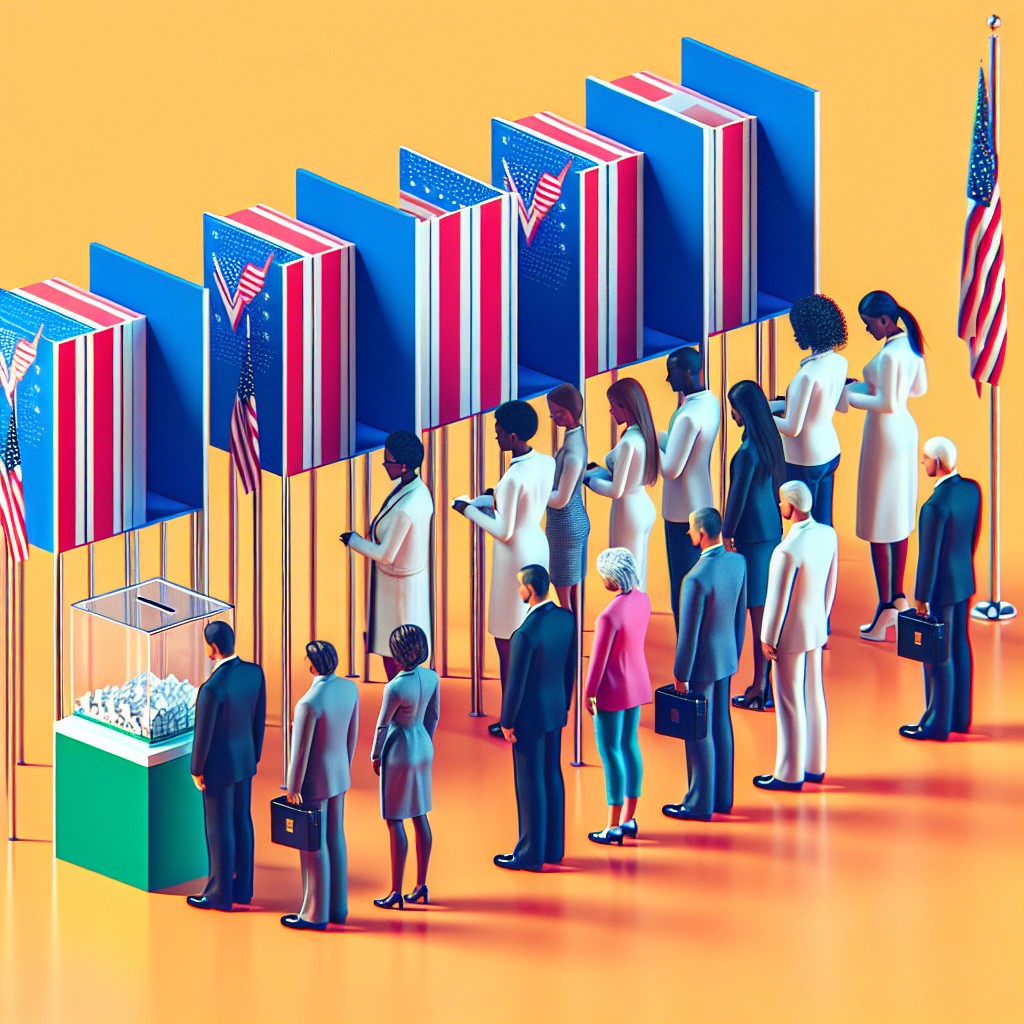
Ensuring election integrity remains a pivotal concern for democracies worldwide, particularly as voters navigate the complexities of casting their ballots. Confusion on voting day not only slows the process but can also impact voter confidence. Implementing stringent safeguards can significantly reduce errors and clarify procedures, fostering transparent and trustworthy elections.
Clear Voter Identification Procedures
One of the foremost safeguards to enhance election integrity is the establishment of straightforward voter identification requirements. Clear guidelines help prevent misunderstandings at polling stations and reduce the likelihood of invalid ballots. Different countries adopt various forms of acceptable identification, but the key is consistent communication well before election day to ensure voters know what to bring.
Comprehensive Voter Education Campaigns
The reduction of confusion largely depends on voters understanding the voting process. Authorities and election commissions globally are investing in multimedia education campaigns that explain voting procedures, rights, and options available. Detailed instructions on how to mark ballots correctly and what to do in case of issues can minimize mistakes and the need for assistance during voting.
Poll Worker Training and Support
Poll workers play a critical role in maintaining election day order and integrity. Extensive training programs focus on procedural knowledge, handling inquiries, and managing unexpected situations calmly. Well-prepared staff can address questions efficiently and guide voters through the process, reducing delays and confusion.
Use of Technology to Streamline Voting
Modern technology offers tools that enhance election integrity by simplifying complex processes. Electronic poll books and barcode scanning expedite voter check-in, ensuring voters are accurately verified and directed to the correct precinct. Additionally, user-friendly electronic voting machines with clear interfaces can help voters cast ballots confidently, reducing invalid votes caused by errors.
Transparent Reporting and Monitoring Systems
Transparency mechanisms such as independent observation, real-time reporting, and post-election audits contribute to trust and minimize confusion about the accuracy of results. Clear communication from election authorities regarding timelines and methods for counting and verifying votes reassures the public and stakeholders that the process upholds standards of fairness and accuracy.
In summary, the implementation of clear identification protocols, robust voter education, well-trained poll workers, technology integration, and transparent oversight form the foundation of effective election integrity measures. These safeguards not only reduce confusion on voting day but also build confidence in the democratic process. As electoral challenges evolve, continued commitment to these practices is expected to uphold the legitimacy and reliability of elections worldwide.
Frequently Asked Questions about election integrity
What is election integrity and why is it important?
Election integrity refers to the measures and practices that ensure elections are conducted fairly, transparently, and accurately. It is important because it builds trust in democratic systems and guarantees that the will of the people is properly reflected.
How do voter identification requirements impact election integrity?
Voter identification requirements help verify the eligibility of voters and prevent fraudulent voting. Clear and consistent ID rules contribute to election integrity by reducing the potential for confusion and errors at polling stations.
Can technology improve election integrity?
Yes, technology can improve election integrity by streamlining voter verification, simplifying the voting process, and enabling transparent tracking and reporting of results, which in turn minimizes human errors and increases public confidence.
What role do poll workers play in maintaining election integrity?
Poll workers are essential to election integrity as they assist voters, ensure procedures are followed correctly, and handle any issues that arise on voting day, thereby reducing confusion and preventing irregularities.
How does voter education contribute to election integrity?
Voter education improves election integrity by informing citizens about their voting rights, the voting process, and how to correctly cast their ballots, which reduces mistakes and increases participation in elections.